Hype-Sized: The Impact of Tiny Toys
We’ve all done it. It’s a Friday night, you’ve wandered into your local sell-all store, (B&M if you’re in the UK) and trotted straight over to the toy aisle, picked up all of the tiny and useless gadgets, and walked out with at least four. If you haven’t, I don’t believe you.
The question is, why do we feel drawn in by the allure of tiny little gadgets, toys and tid-bits? Where does the magic come from and why do we want them all so badly? Let’s try and answer that question.
Targeting the Fidgeters 🪀
Perhaps obviously, little things are meant to be fidgeted with. They’re designed to have one specific purpose and otherwise be wholly useless. The fidget toy market hits this on the head, and harnesses it for play, particularly among neurodivergent audiences.
Neurodivergence has become somewhat of a buzzword over the past few years, and quite rightly – as a neurodivergent individual myself, it’s a breath of fresh air to see so many people discuss the impact of conditions like ADHD and AuDHD on our daily lives. It’s even more refreshing to have so many options for coping strategies popping up in our local stores. What I’m interested in is the draw of these tiny objects, the colours, the features, and especially the way they are marketed. Why do we need them so bad when we look at them, and what purpose do they serve? Let’s figure it out.
Why Can’t I Stop Spinning This Little Thing in my Pocket?
The scientific answer to this question lies in excess idle cognitive resources, sensory stimulation and the need to be constantly moving around. For neurodivergent people, having an outlet for sensory stimulation can help to maintain attention during tasks, important meetings and high-focus scenarios, alongside providing a sensory stimulus in the form of texture and interaction. The features and benefits explain themselves, really. It’s the way they’re marketed that takes the cake and makes you realise these impacts.
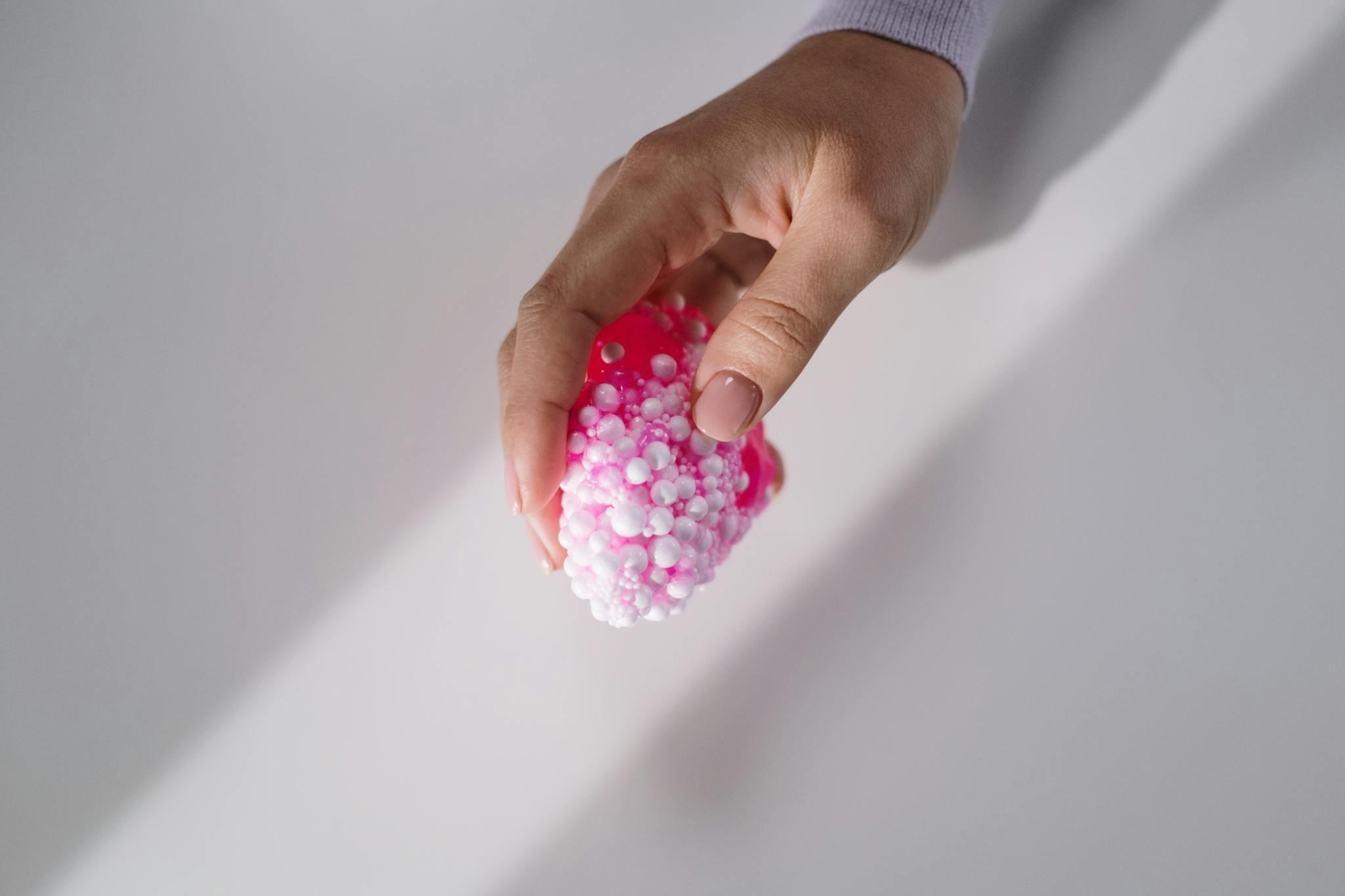
A huge aspect of fidget toys and its market audience comes from virality. Fidgets are constantly showcased using viral social platforms, such as TikTok, YouTube Shorts and Instagram Reels, causing them to sell like hot cakes. Not to mention the addition of TikTok shop taking flight, making these toys not only appealing, but accessible above all else. In most cases you can purchase a viral fidget toy for under £5 and get it within 3 days. On top of all of this, fidget toys themselves are a concept with many faces – taking on every colour, texture and theme imaginable. From unicorn shaped pop-its, squishy rubber gel balls, noodle shaped stretchies, foam shaped cartoon characters and metal spinners, there is no audience that fidget toys don’t appeal to. You can even buy metal sliders that look like a deck of cards, meaning the adult male audience is also on the market too (or the cards, see what I did there?) But, how are fidgets different from kids toys?
The Draw of Therapy in a Little Toy
Truthfully, they’re not. Functionally, they serve the same purpose, with the same materials and visual appeal. The real differentiator that makes them applicable for neurodivergent adults is also the marketing. Therapeutic language plays a central role here.
If you’ve seen fidget toys on store shelves or in online markets, they will usually be accompanied by language like ‘sensory aid’, ‘stress relief’, ‘focus enhancer’ or ‘support tool’ – and there is a reason for this. Most neurodivergent individuals that are struggling with their symptoms, such as attention deficit or hyperactivity, will be after non-medicinal solutions as a result of outrageous waiting lists and potential costs. Fidget toys provide a game changing daily routine for neurodivergent people, enabling them to deal with situations that they couldn’t previously. This key difference between kids toys and adult-marketed fidget toys allows for the therapeutic features to be highlighted, addressing the need for a small colourful toy and a solution to our struggles.
What Can We Learn from Fidgets?
The genius marketing and branding behind fidget toys teaches us something incredible – that the audience is at the heart of everything. Most of the fidgets that reached viral status, such as metal spinners and squishies, did so from a single short form video on TikTok, and sold for dirt cheap. Pair that with the obvious neurodivergent need for something to fidget with, and you’ve got yourself a business.
Do you have a favourite fidget toy? Think about how it feels, what colour it is, what purpose it serves you. You might learn a little something about yourself.
Fancy a neurodivergent hand with your words? River is your gal. Get in touch to discuss your copywriting needs.
Post a comment